
STAGES OF CERAMIC PROCESSING

Shaping
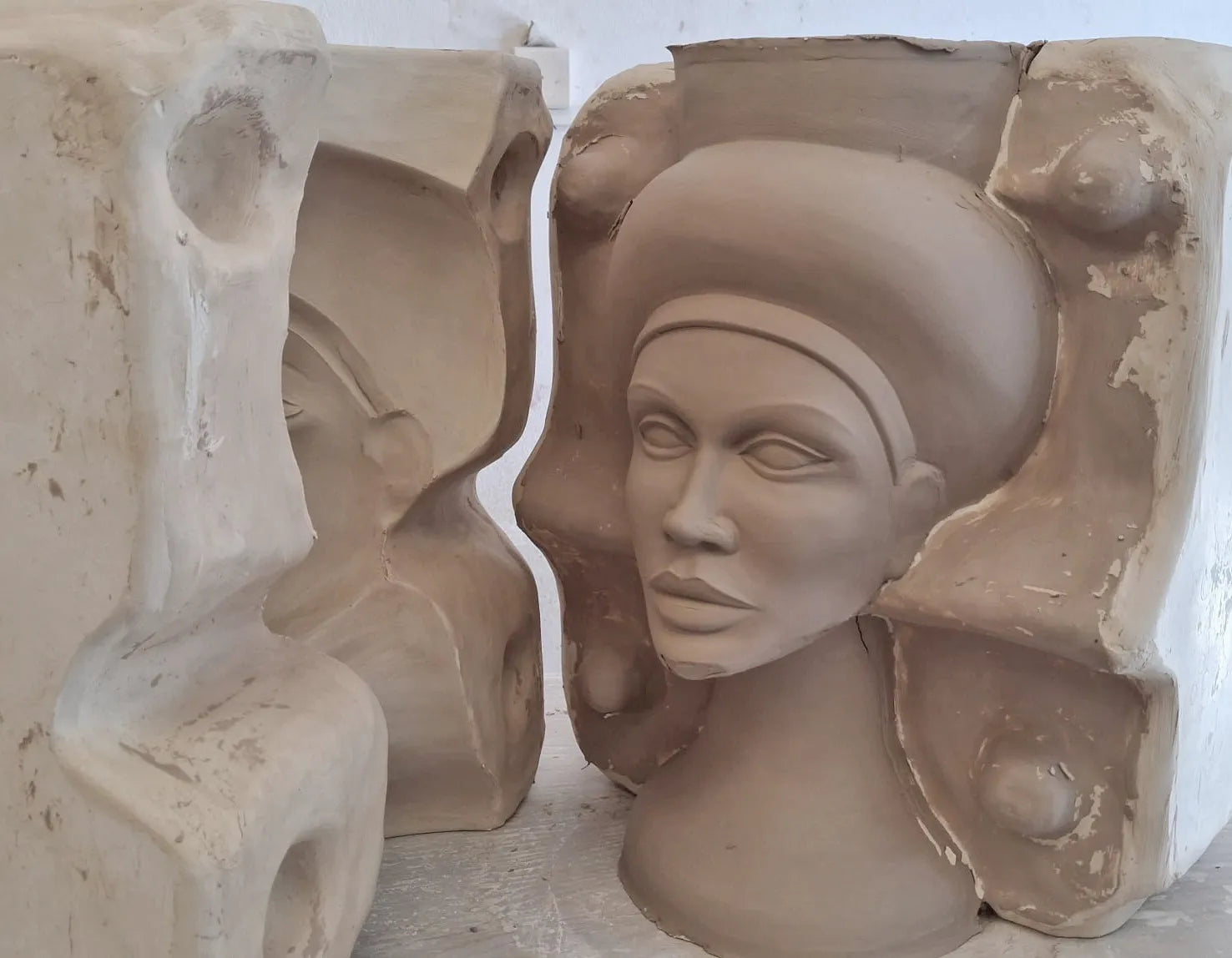
The clay is molded to give it shape

drying
The water contained in the clay is evaporated

First cooking
It occurs at a temperature of about 1000 degrees. The biscuit, still porous, is created.

glazing
It is the method by which the biscuit is coated with glaze, a glassy layer that makes it waterproof

decoration
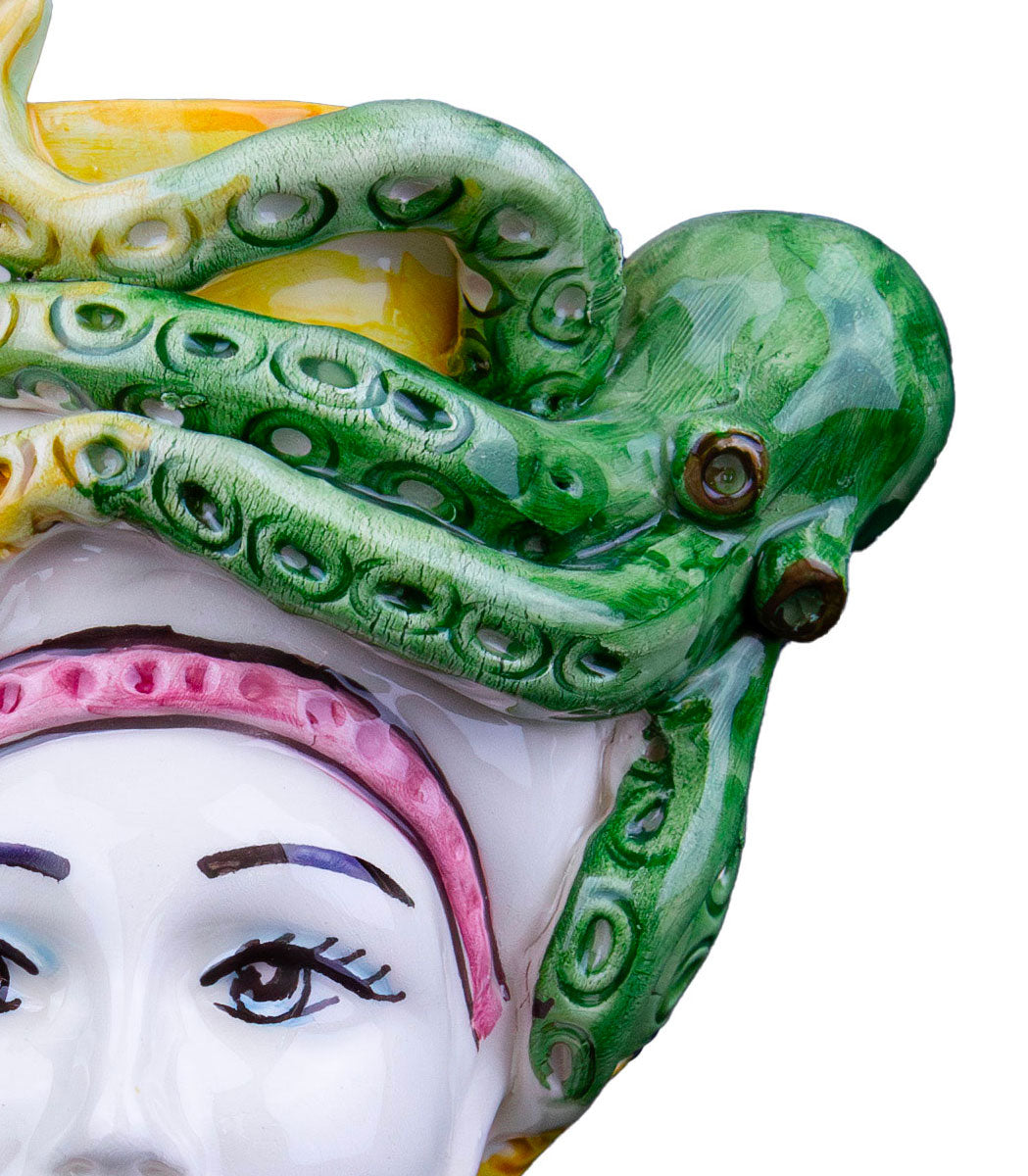
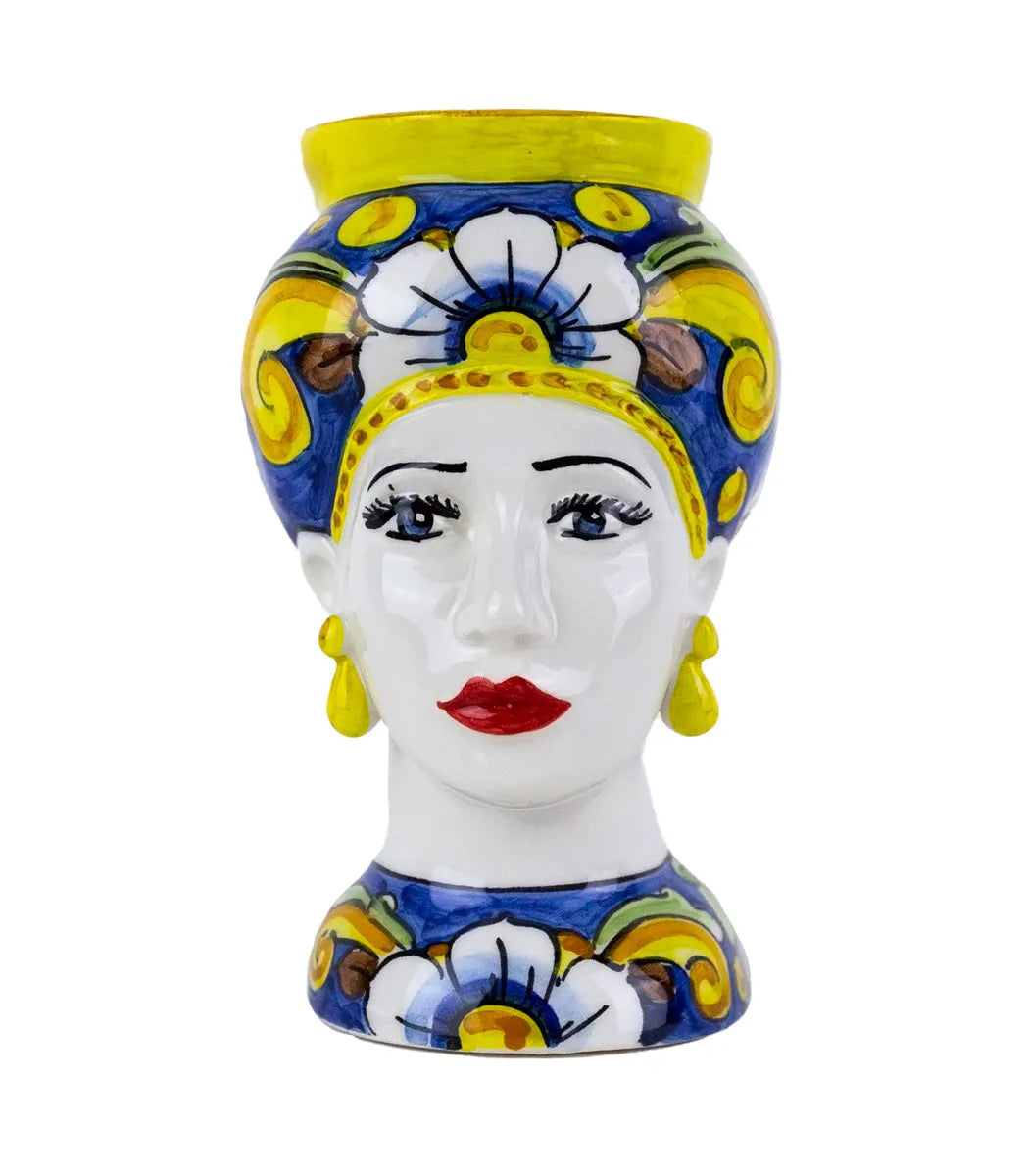
It comes from the talent of master decorators who meticulously use brushes to create the typical decorations of Caltagirone ceramics

double cooking
It occurs at a temperature of 900 degrees and serves to irreversibly fix the enamel, making the piece very durable over time
kamà
Fragments of Sicilian Art and Tradition
Caltagirone ceramics are the flagship of Sicilian craftsmanship, famous worldwide for their unique and unmistakable style.
Choosing a Kamà piece means gifting an ancient heritage, made of stories, legends, talent, and a constant pursuit of beauty. This is precisely the mission we pursue, selecting only excellence. Each piece is entirely handmade as it once was, shaped by the hands of the skilled master artisans and decorators who collaborate with us.
Purchasing a Kamà creation means giving an authentic fragment of our Sicily.
The Soul of the Picciotte: A Tribute to the Women of the South
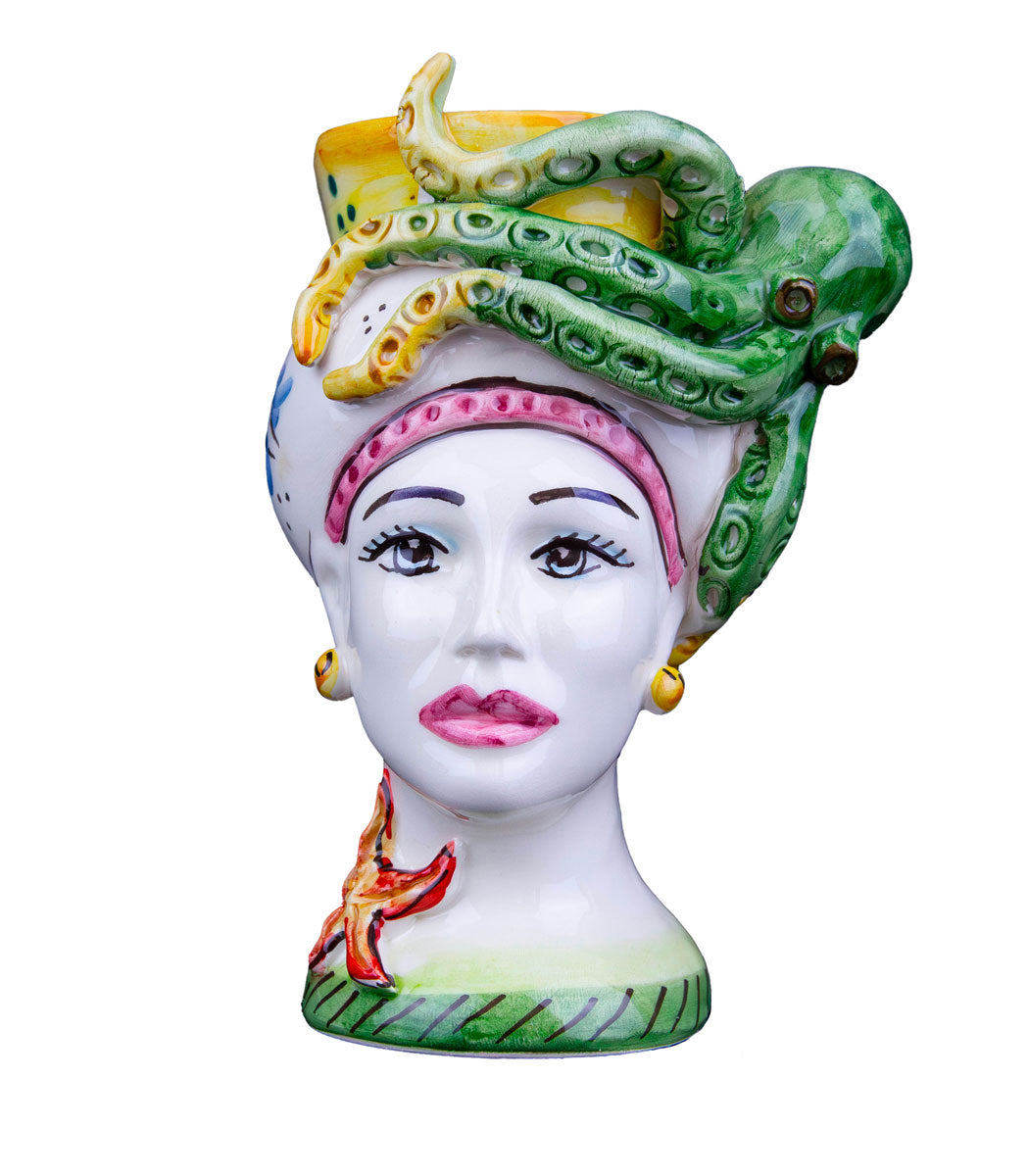
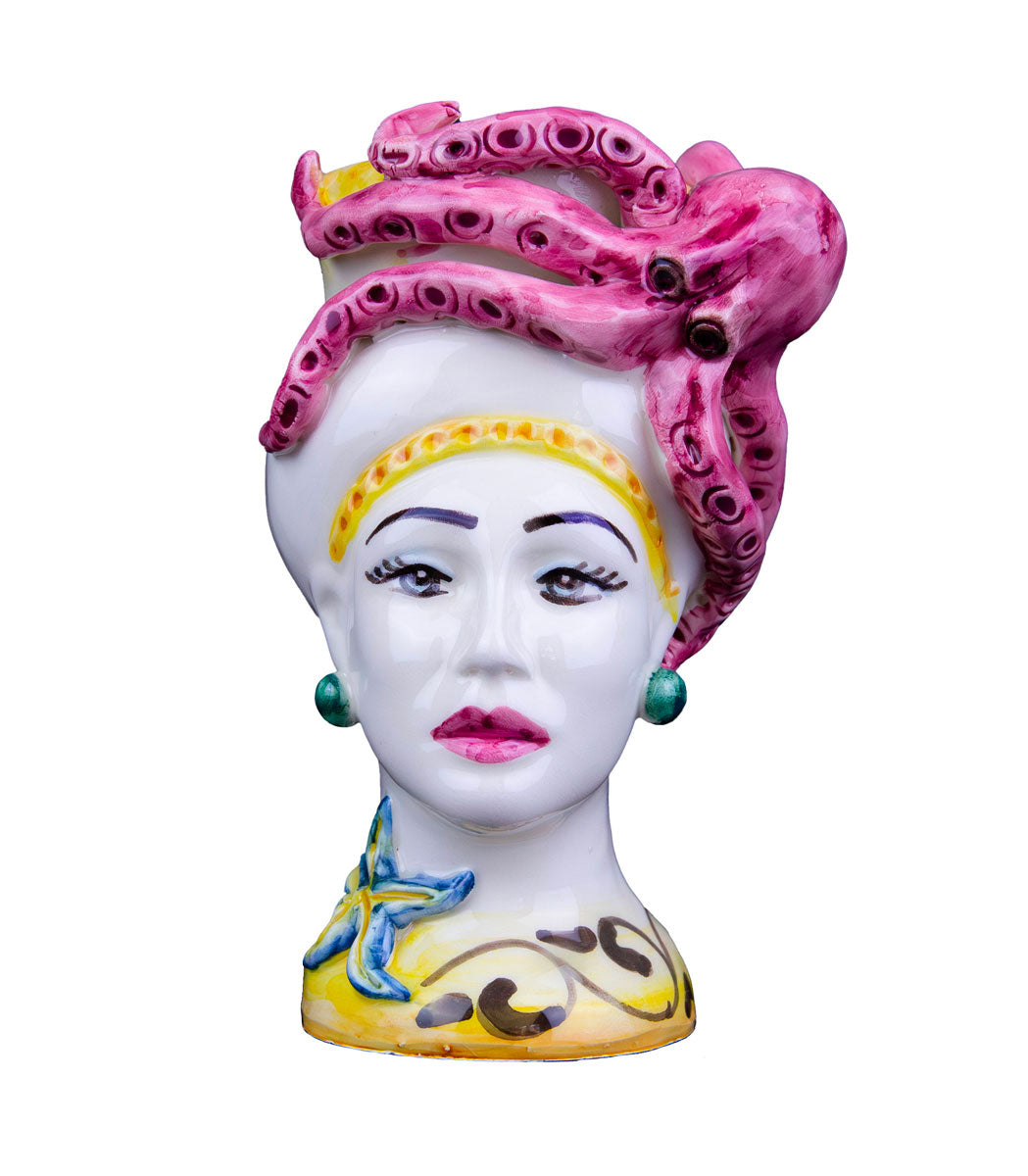
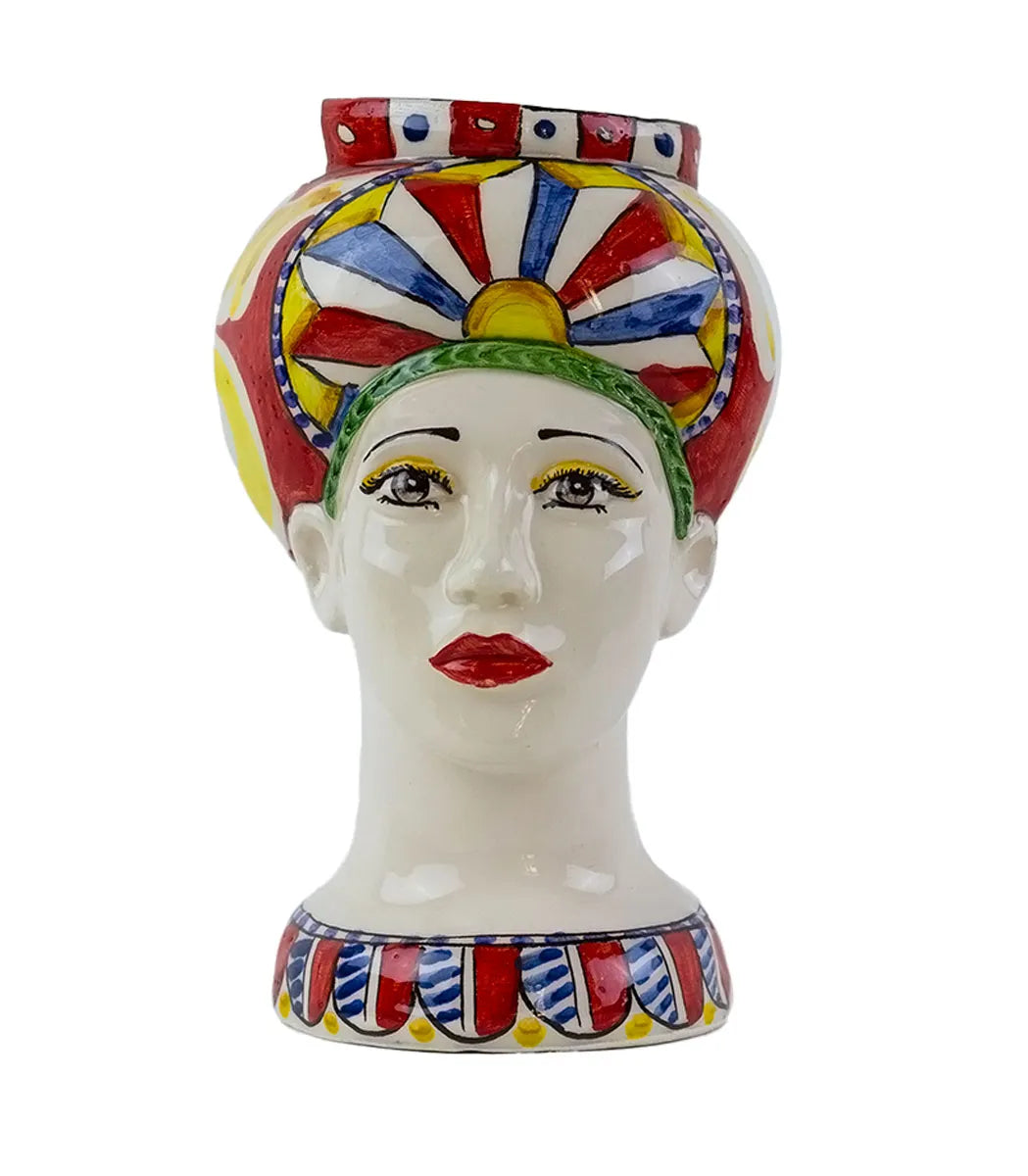
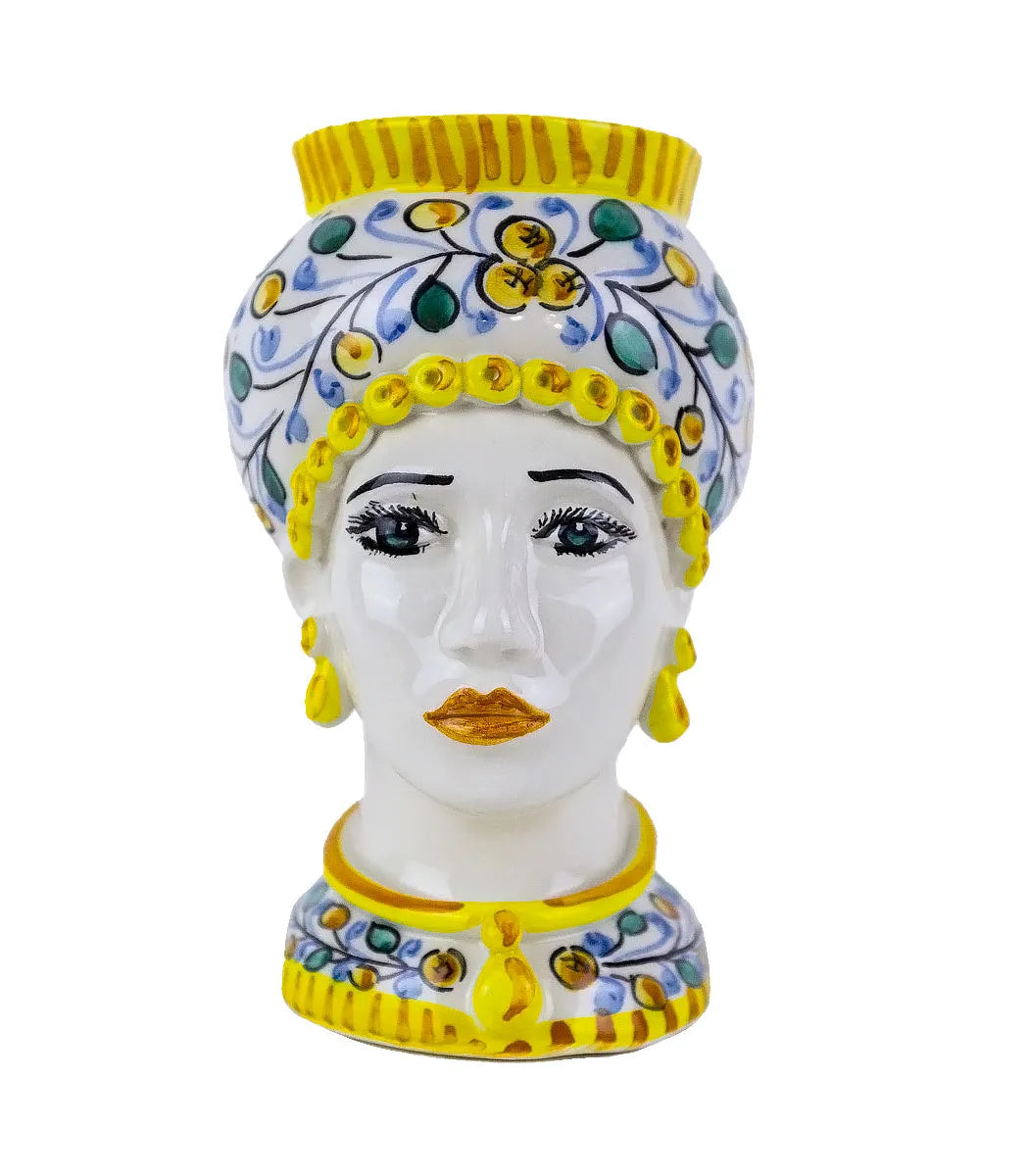
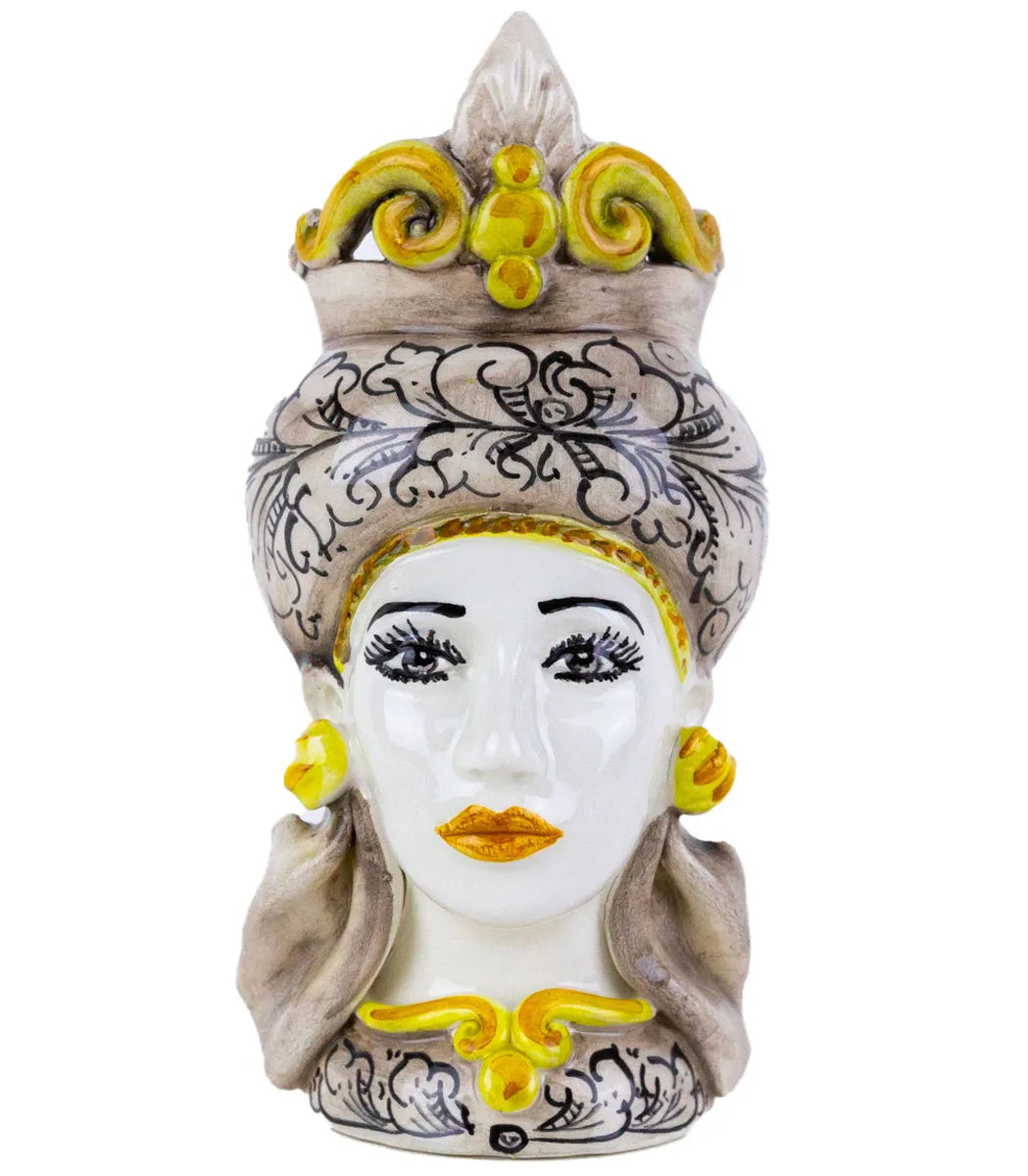
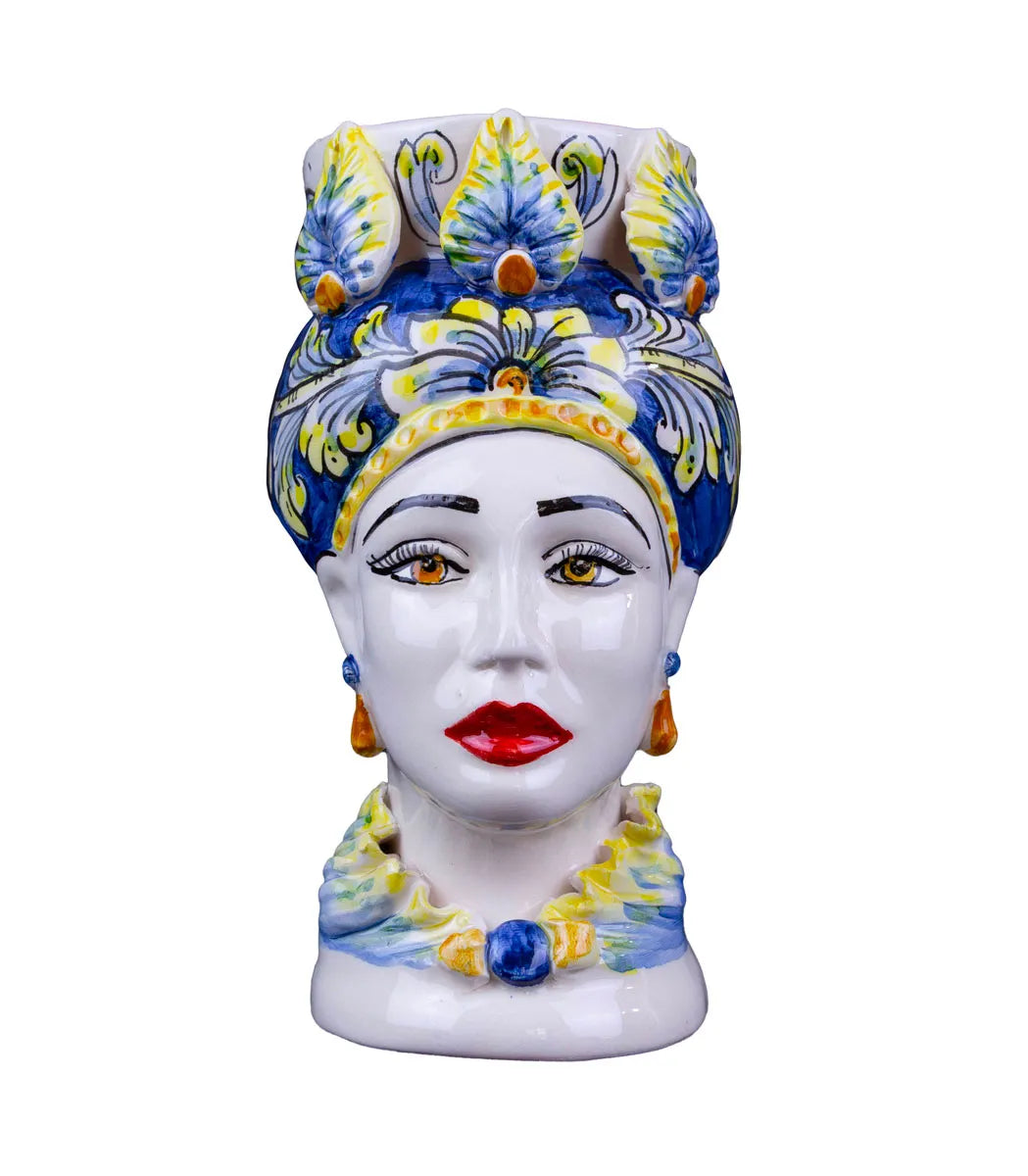
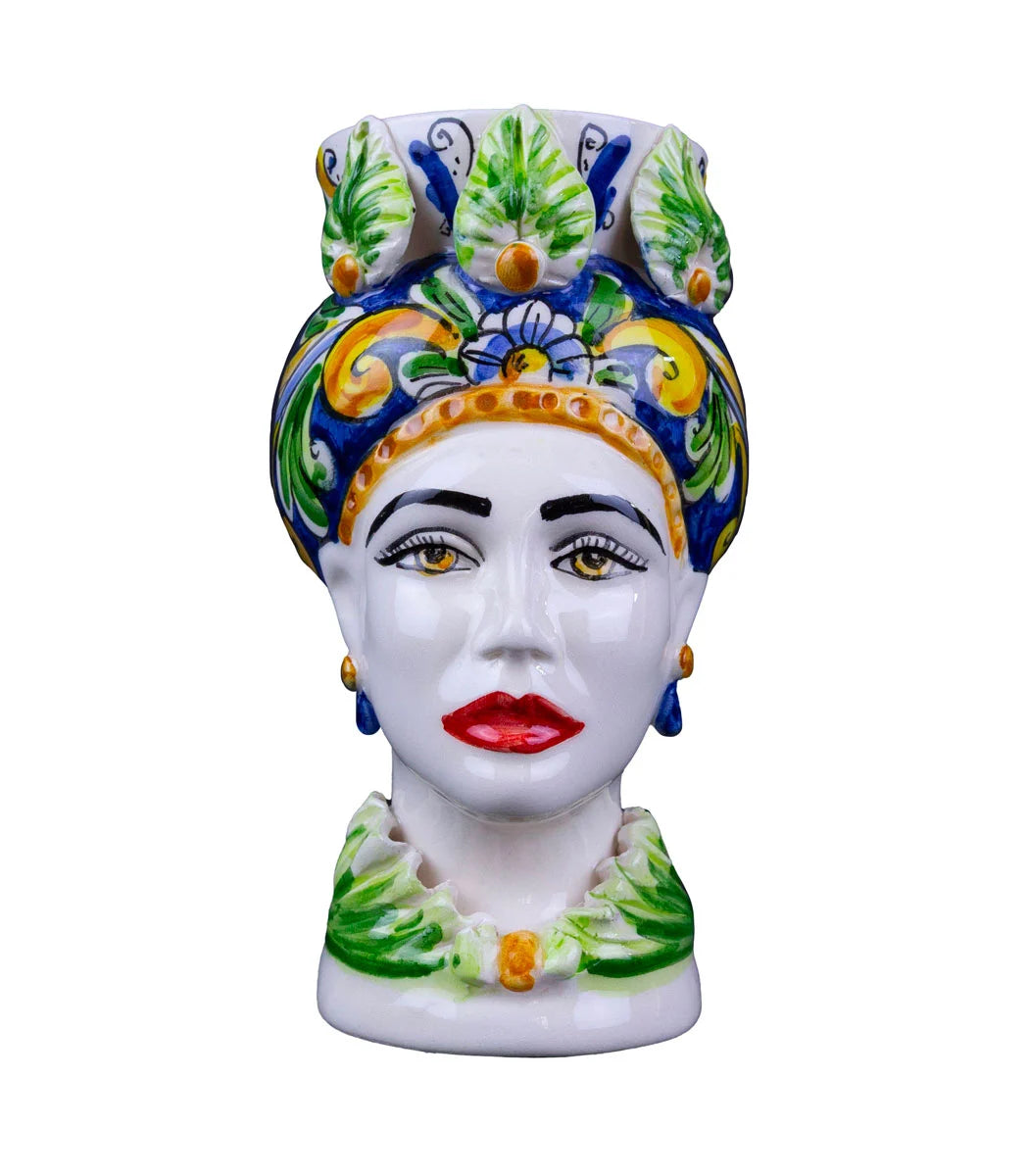
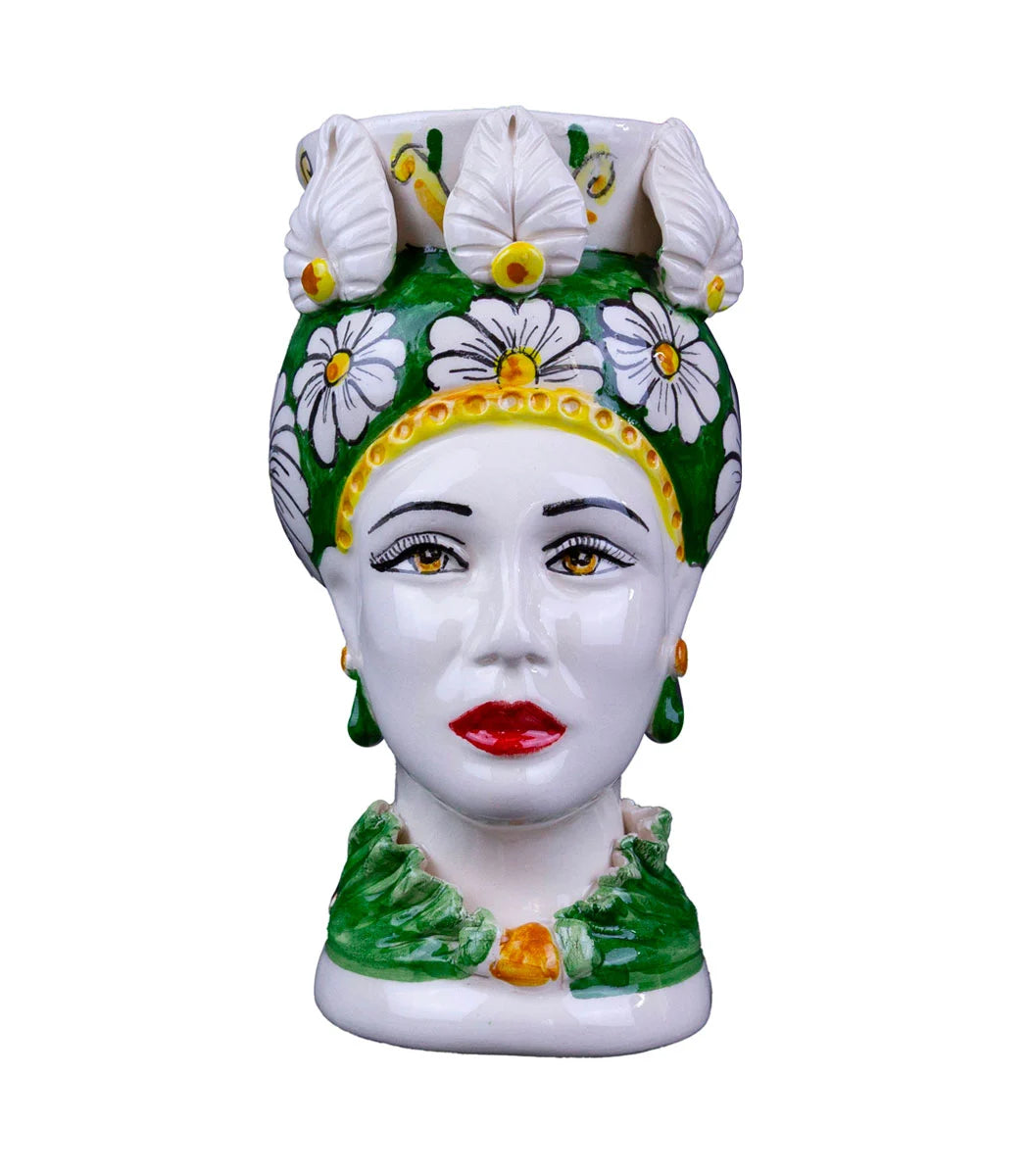
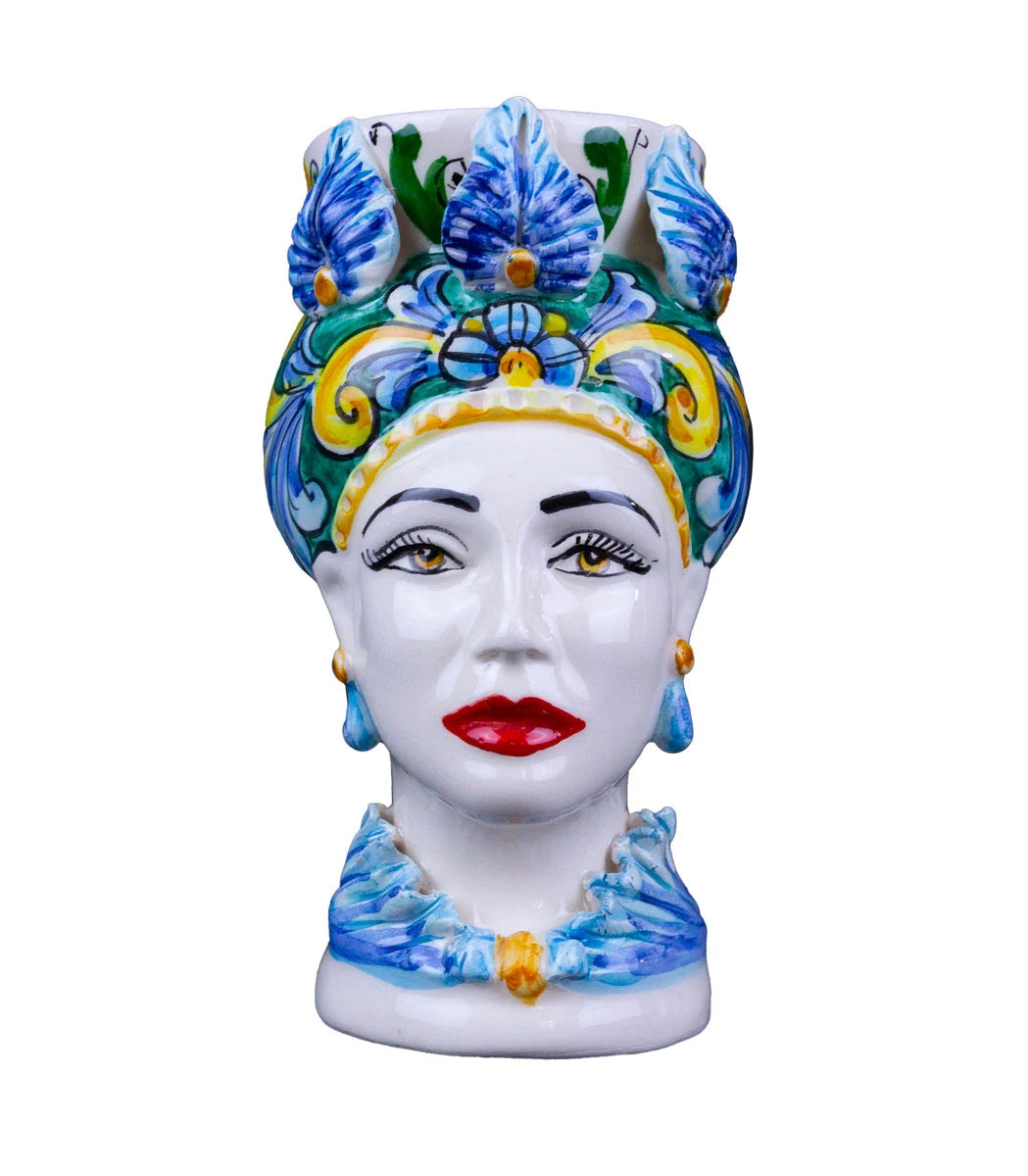
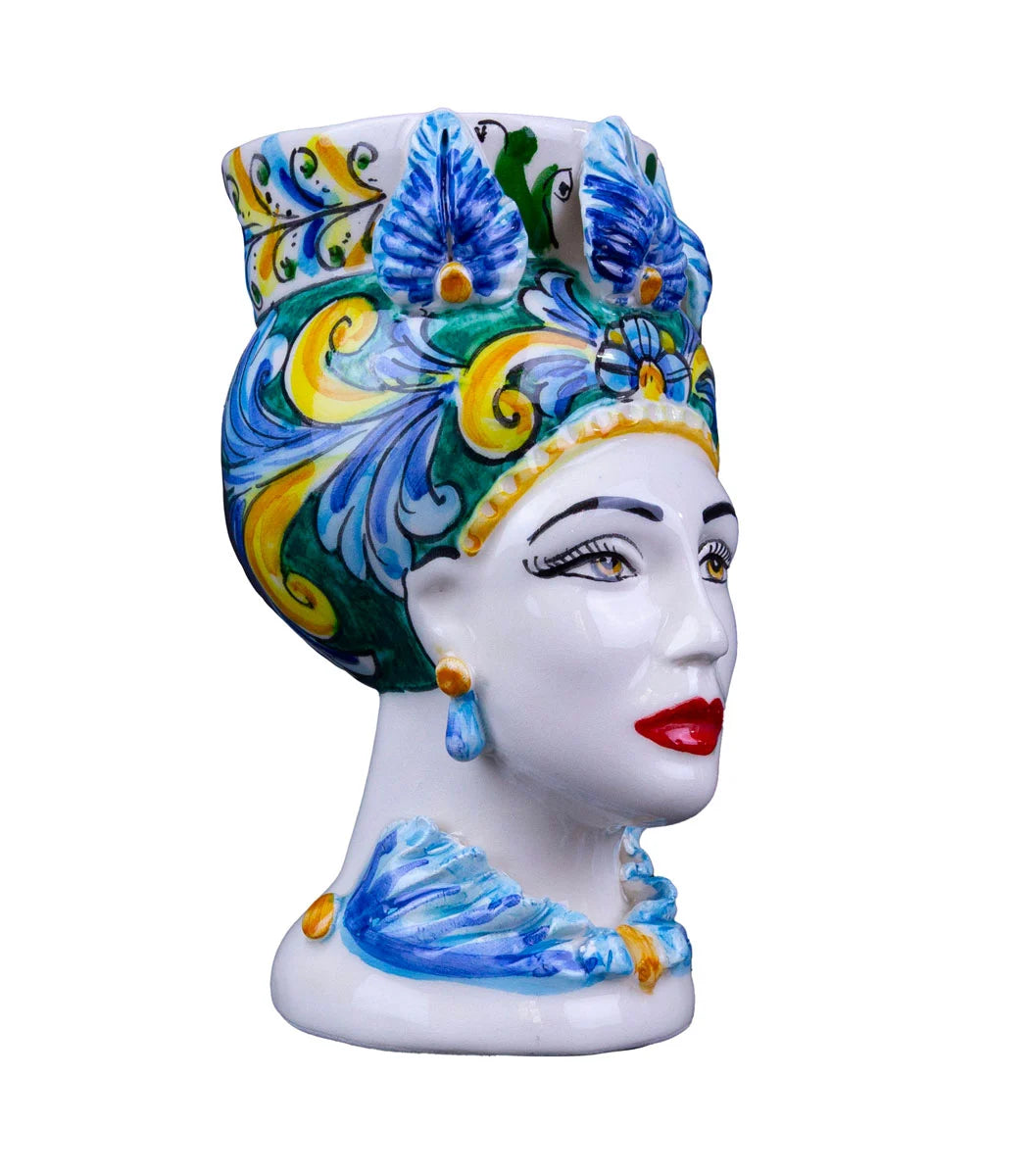
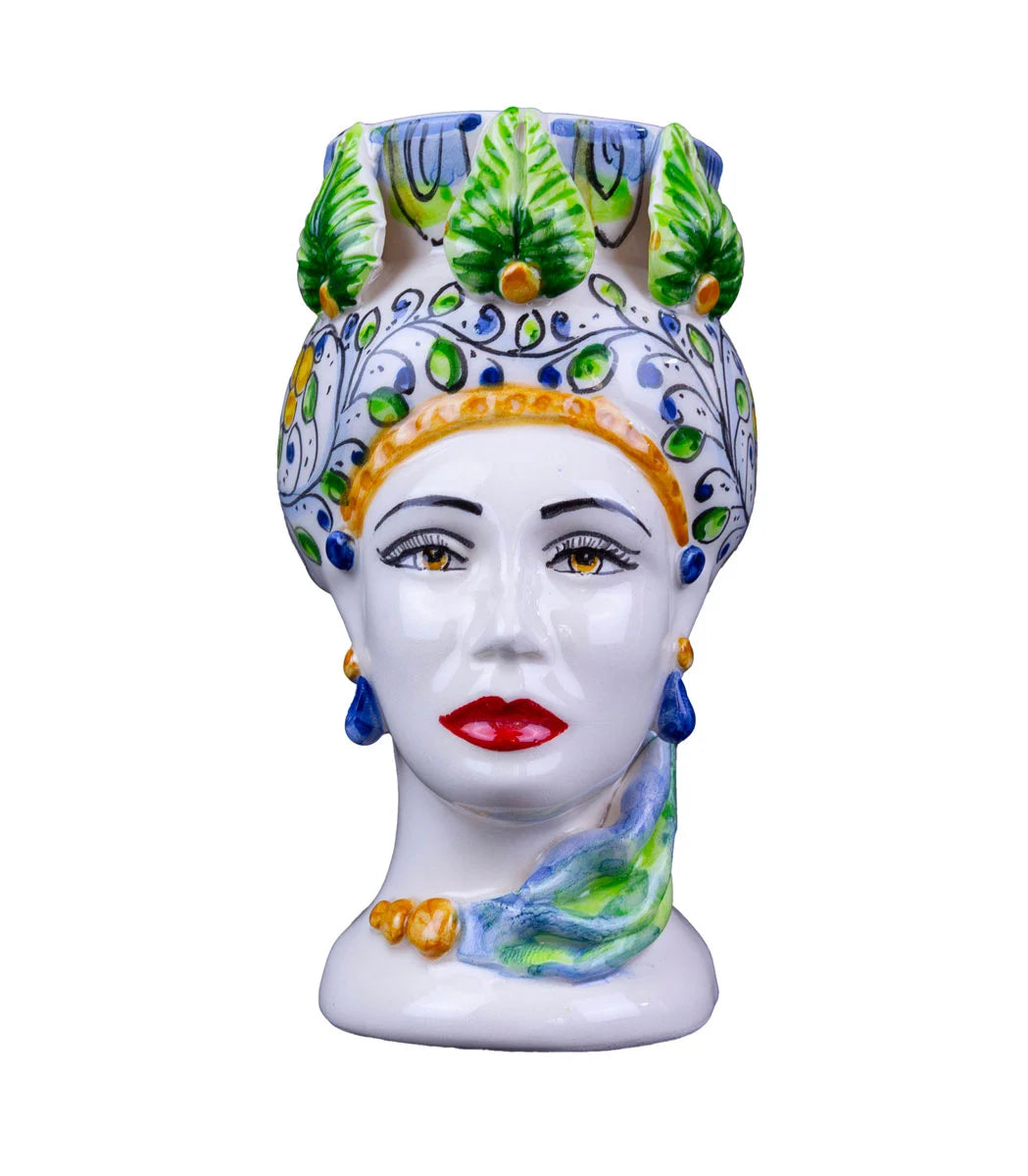
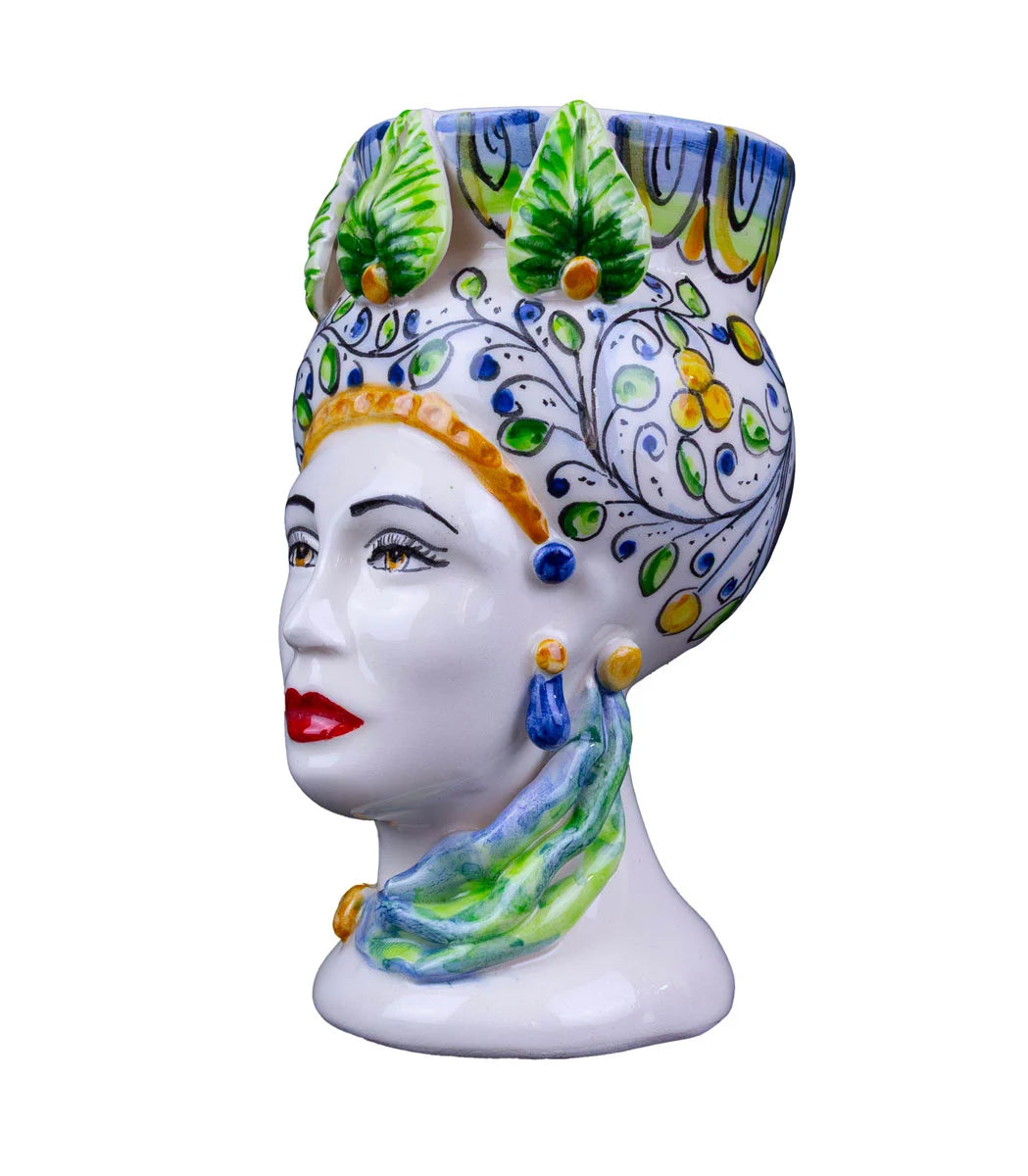
The name “Picciotte,” which means “girls” in Sicilian dialect, immediately suggests the intimate and affectionate tone of the project. Each sculpture represents a stylized yet strongly evocative female figure: proud faces, deep gazes, ornaments rich in symbolism. It’s not just about aesthetics: each Picciotta is a declaration of cultural pride, a tribute to the Mediterranean woman, strong, elegant, guardian of traditions, and silent driving force of everyday life.
Le Picciotte di Kamá: Between Sicilian Roots and Contemporary Style
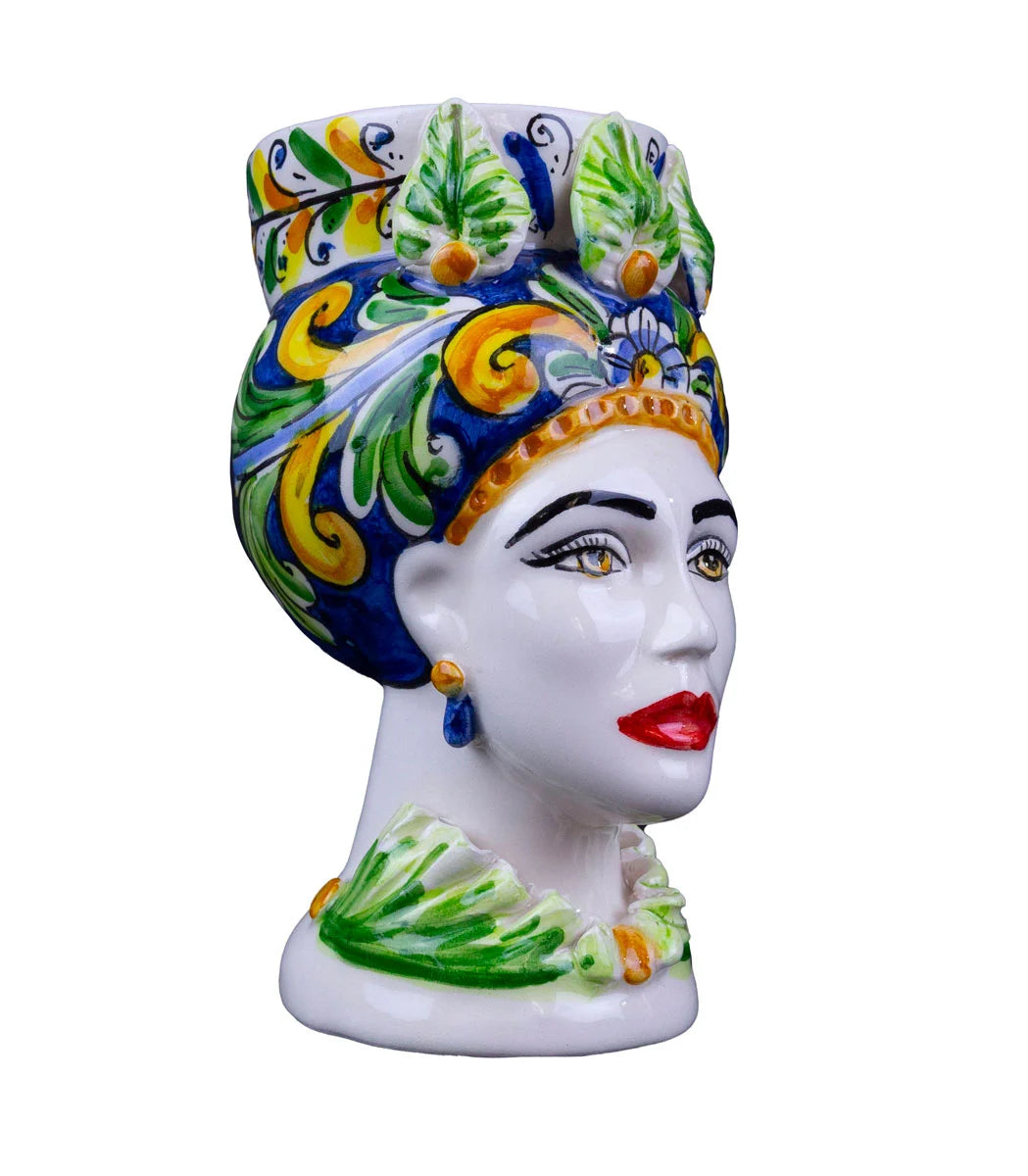
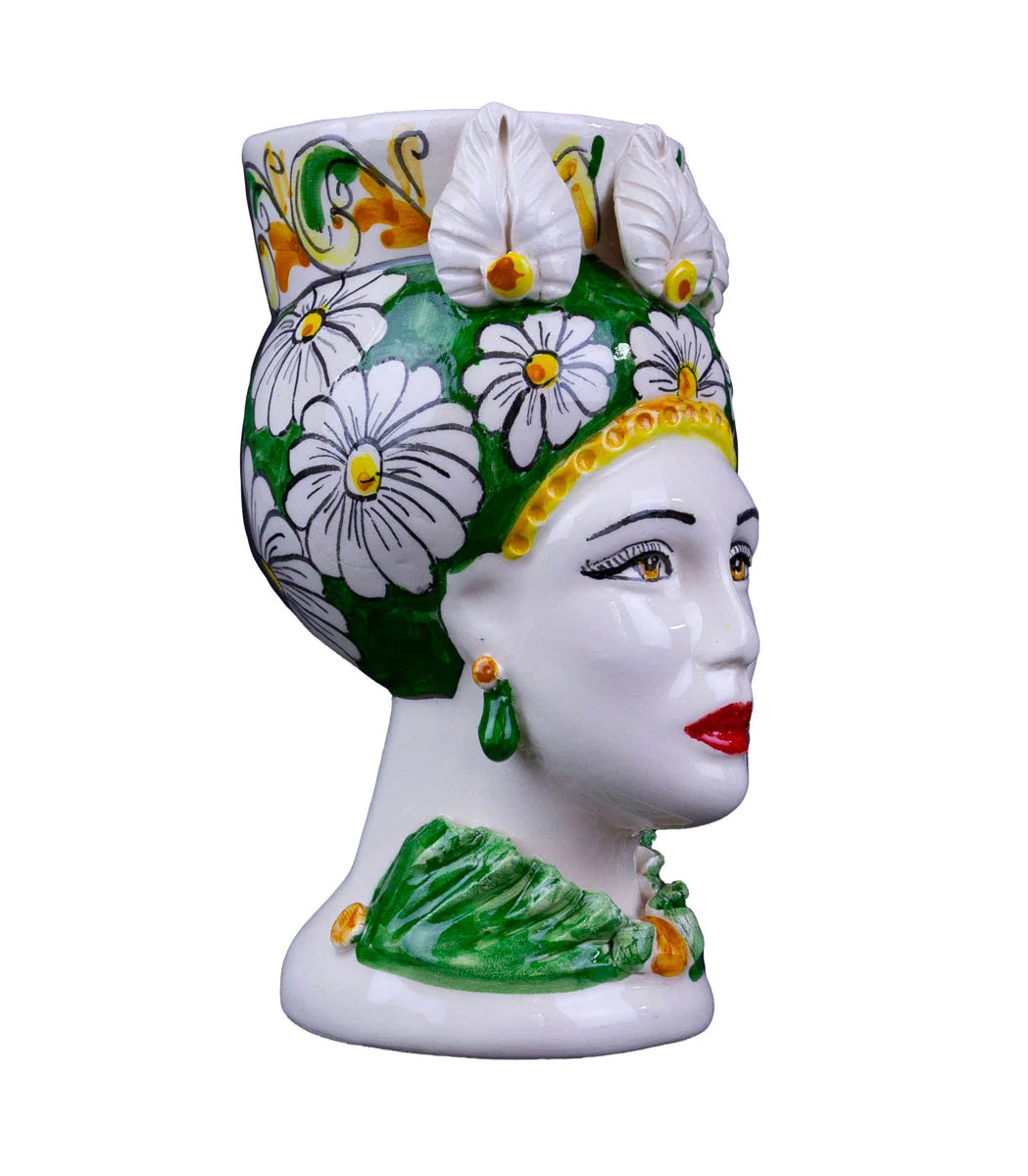
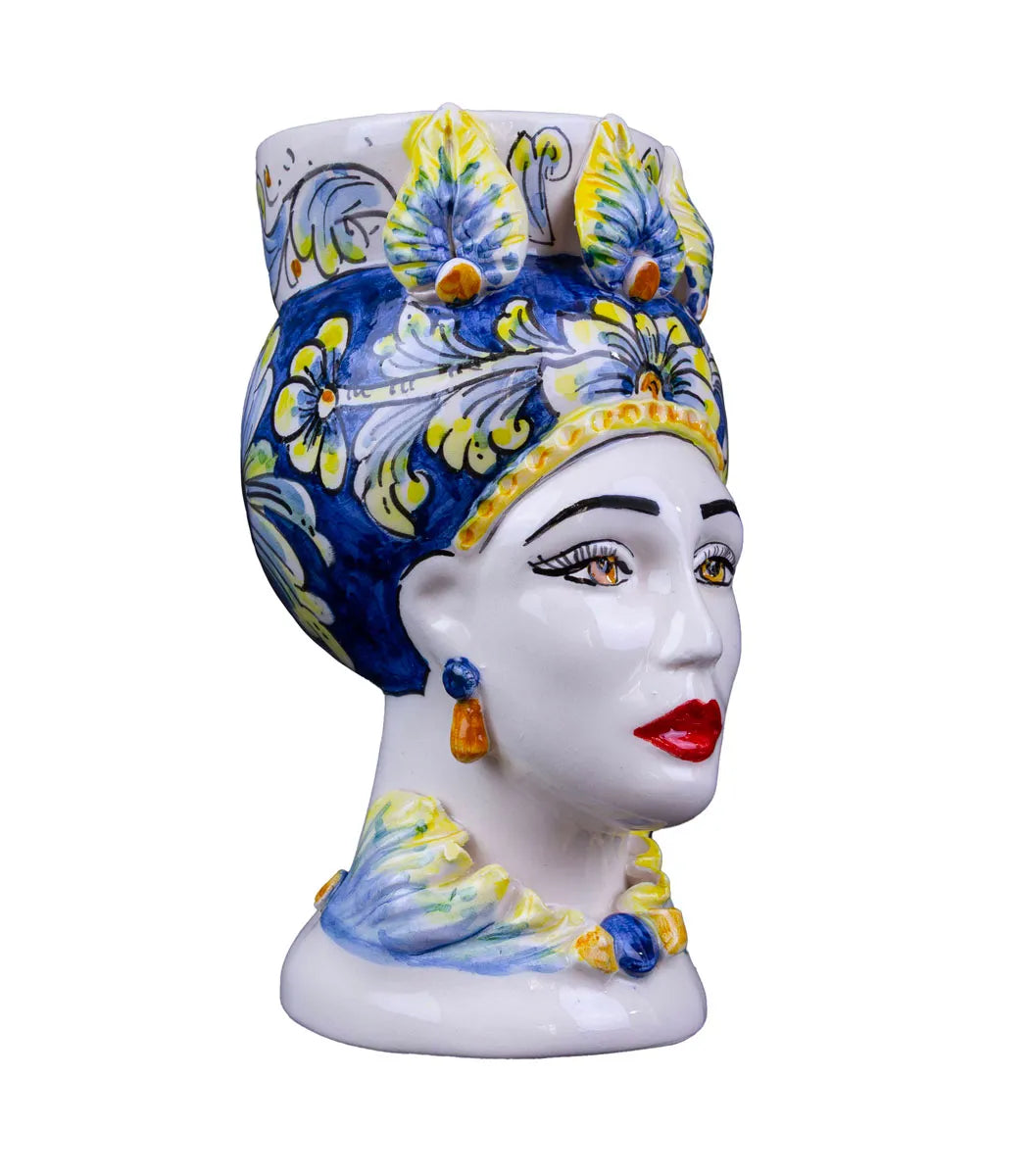
At the heart of the Sicilian artisan tradition, Kamá Design reinvents Le Picciotte, hand-carved female heads decorated with vivid colours, symbols of elegance, strength, and cultural identity.
Origin and meaning of the name: In Sicilian dialect, "Picciotte" means "young women," evoking the youth, beauty, and charm of the island's women.
A bridge between tradition and contemporaneity
Unlike the more famous "Moorish heads," Le Picciotte represent an exclusively female narrative. Kamá Design does not re-propose the past nostalgically, but reinvents it. Le Picciotte appeal to those who want to surround themselves with vibrant, not static, beauty. To those who love art that dialogues with history, but lives in today's homes.
Le Picciotte Kamà Design: The Contemporary Face of the Testa di Moro
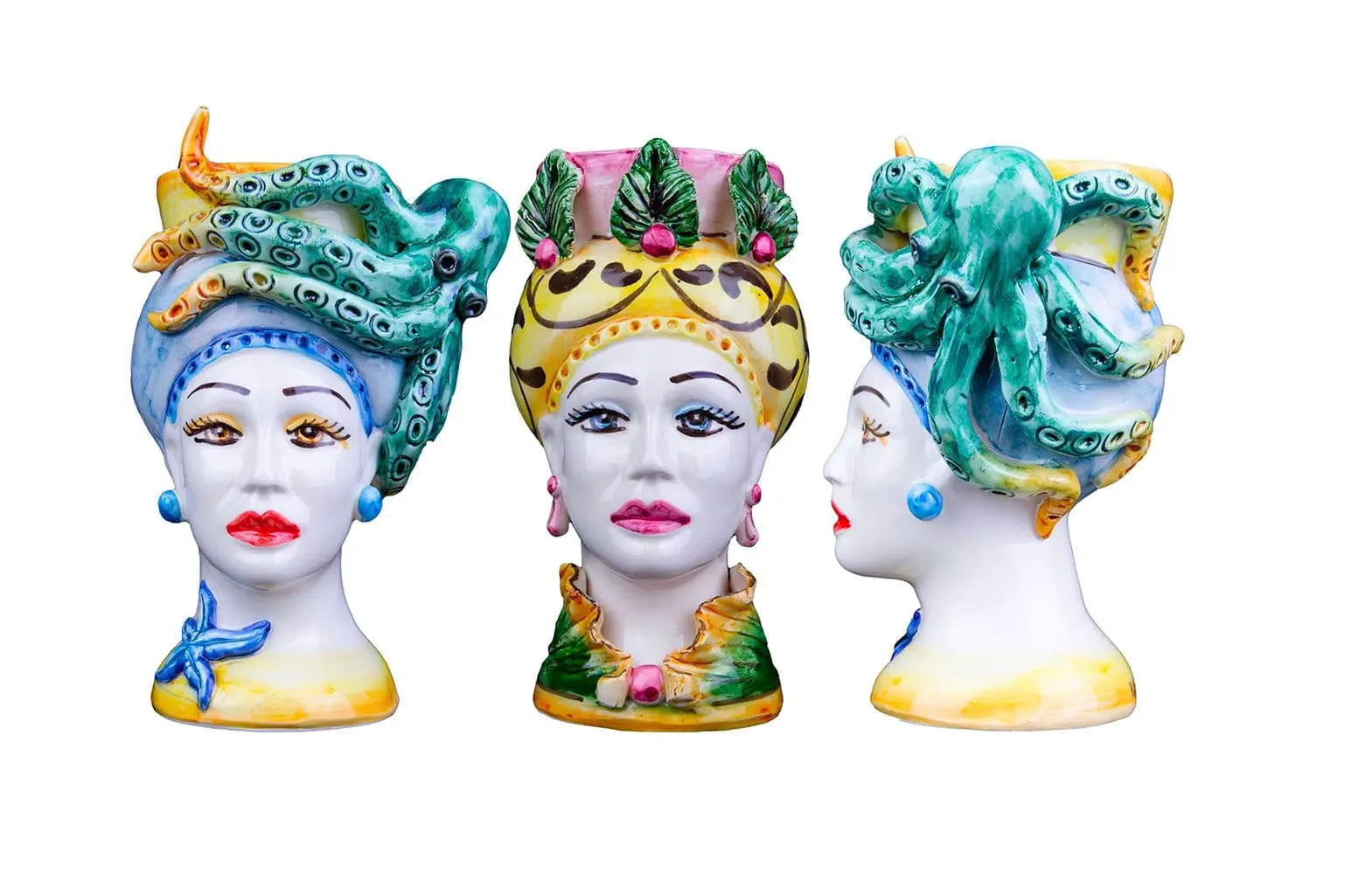
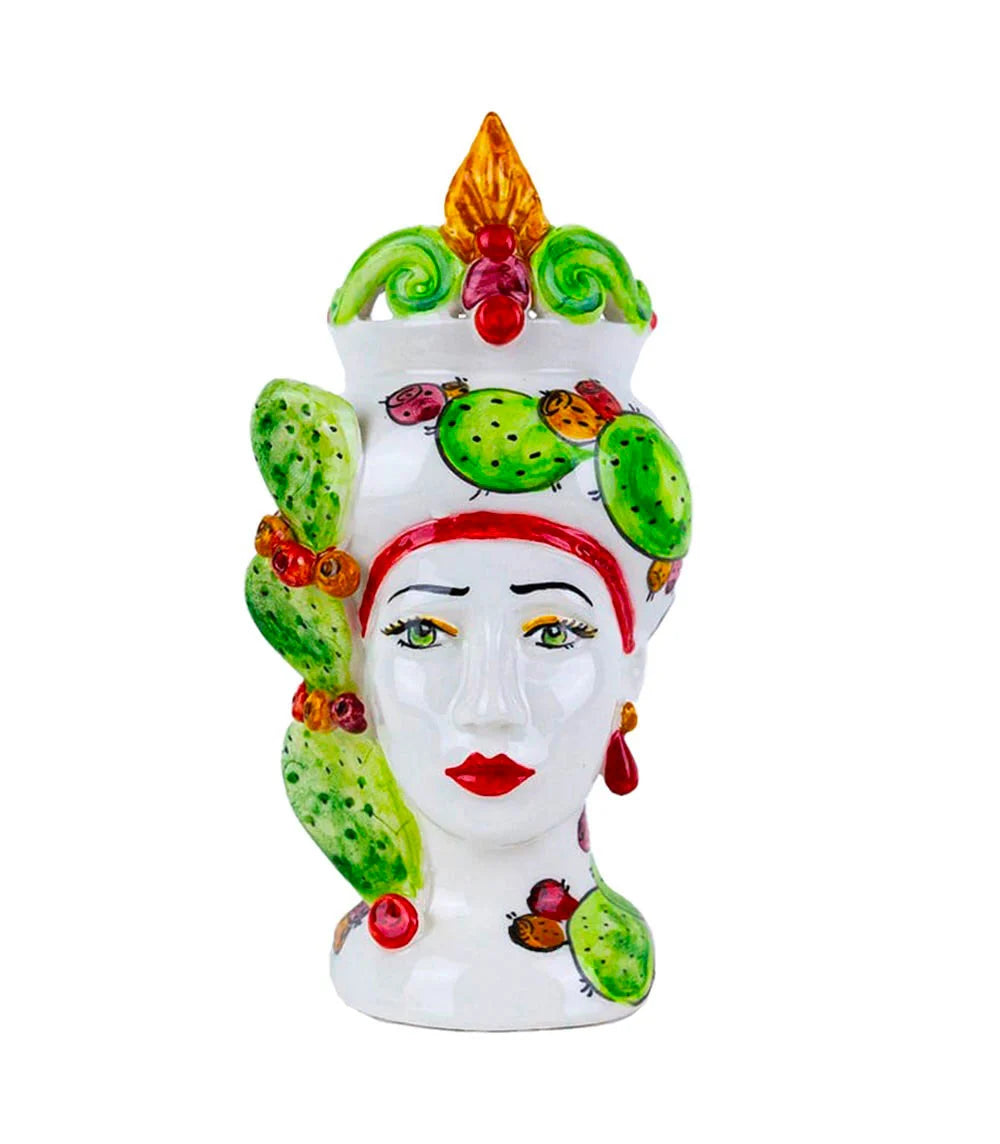
The Picciotte are exclusive and unique works of art that reinterpret the legendary Sicilian Testa di Moro in a modern and minimalist way. Thanks to their original pocket format, these miniature sculptures become precious furnishing accessories, perfect for enhancing every corner of the home with a touch of contemporary design.
Choosing a Picciotta means owning an unrepeatable work: each piece boasts a design of lines, shades, and decorations that will never be reproduced again. Every Picciotta is, to all intents and purposes, a unique collector's item, numbered and unrepeatable.
Why Choose Kamà Picciotte as a Decorative Object?
The "Picciotte" of Kamà Design represent much more than a simple decorative element: they are the artistic evolution of Sicilian identity, expressed with contemporary sensibility and profound artisanal mastery.
Here's what makes them so special:
Unique and Irrepeatable Design: No two Picciotte are alike. Each piece has its own visual and stylistic soul.
Pocket Size, Maximum Impact: Their compact size makes them ideal for shelves, desks, or for creating unique design compositions.
Tradition and Innovation: A perfect blend of age-old culture, beauty, and uniqueness that captivates at first glance.
Exclusive Gift Idea: Perfect for those seeking a valuable, authentic gift signed by avant-garde Sicilian craftsmanship.
Kamà Design's "Le Picciotte": Icons of Sicilian Femininity Through Art, Culture, and Design
In the landscape of contemporary Sicilian craftsmanship, the splendid Le Picciotte sculptures perfectly encapsulate identity, aesthetics, and narrative.
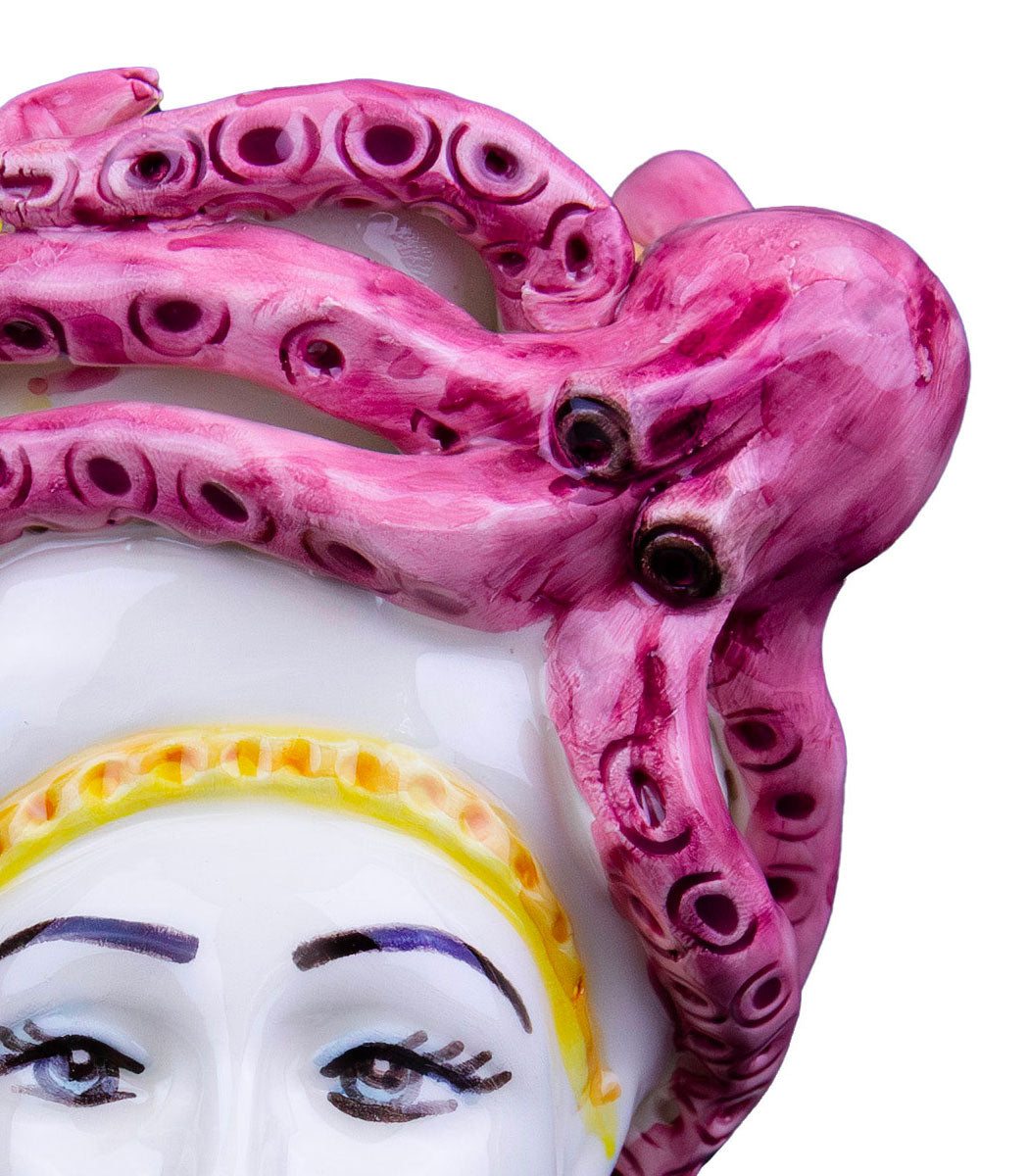
Behind these ceramic female heads, characterized by a proud smile, deep gazes, strong symbolism, and intense colors, Sicily is celebrated in all its expressive power. The work merges ancient roots and modern taste into a single, magnetic visual and material language.
It's not just about aesthetics and home decor: every Picciotta is a true declaration of cultural pride. An artistic tribute to the Mediterranean woman: strong, elegant, and a timeless guardian of stories and traditions.
Artisanal ceramic is the main material for these creations, skillfully treated with brilliant glazes and fine material textures. The handmade decorations range from:
Traditional Sicilian inspirations, echoes of Baroque art, marine suggestions, and pop and whimsical touches.
This mix of styles and mastery makes each individual creation a unique and unrepeatable piece, perfect for those seeking an exclusive design object.
How Our Ceramics Are Born: The Artisan Manufacturing Process
The journey of each of our creations is a ritual that combines patience, skill, and tradition. Here's how clay transforms into a unique work of art through its fundamental stages:
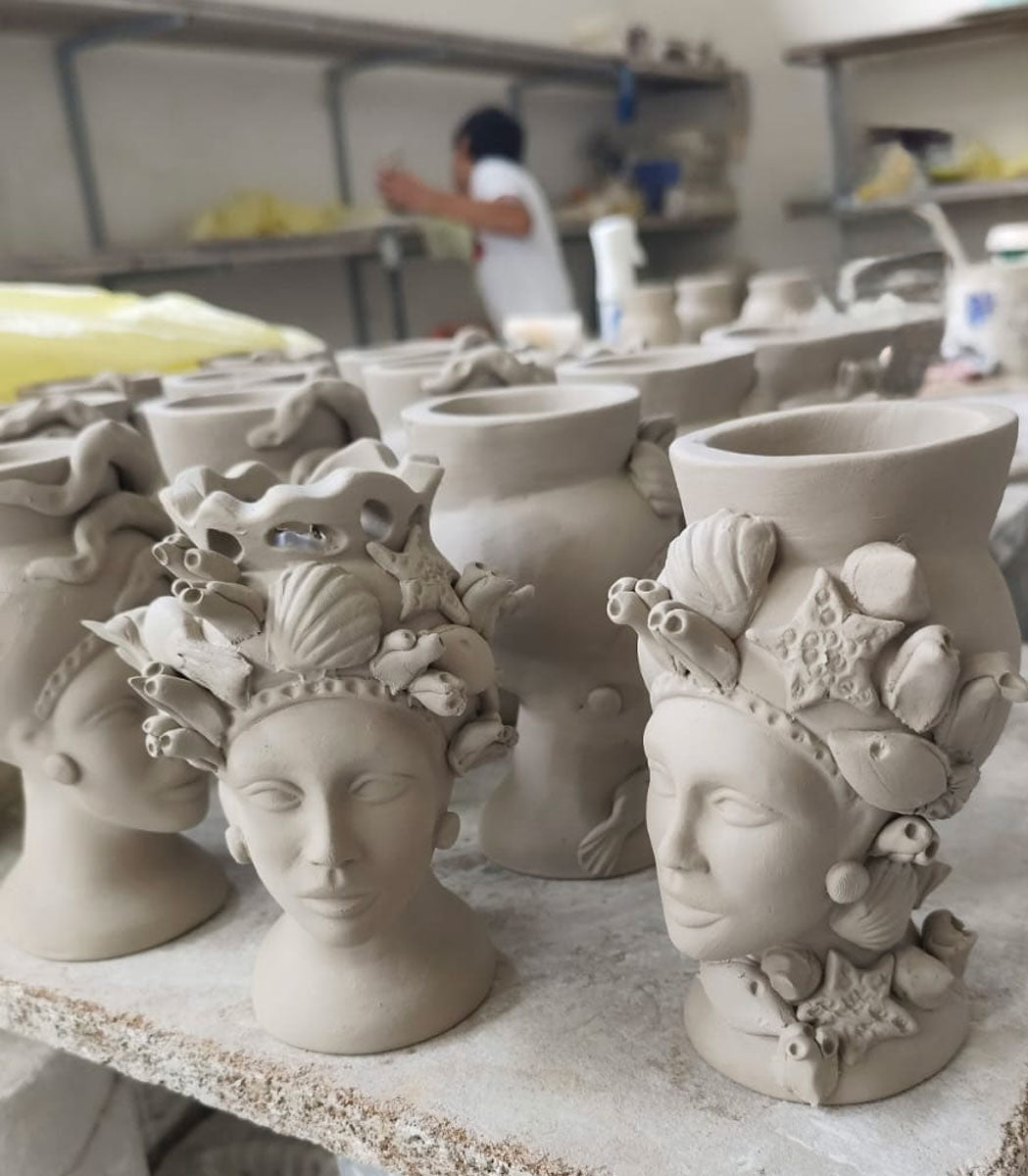
- 1. Modeling and Casting: Everything begins with a block of clay, handcrafted to create the prototype. From this, a plaster mold is made, which will be used to reproduce the various copies by pressing the clay strictly by hand.
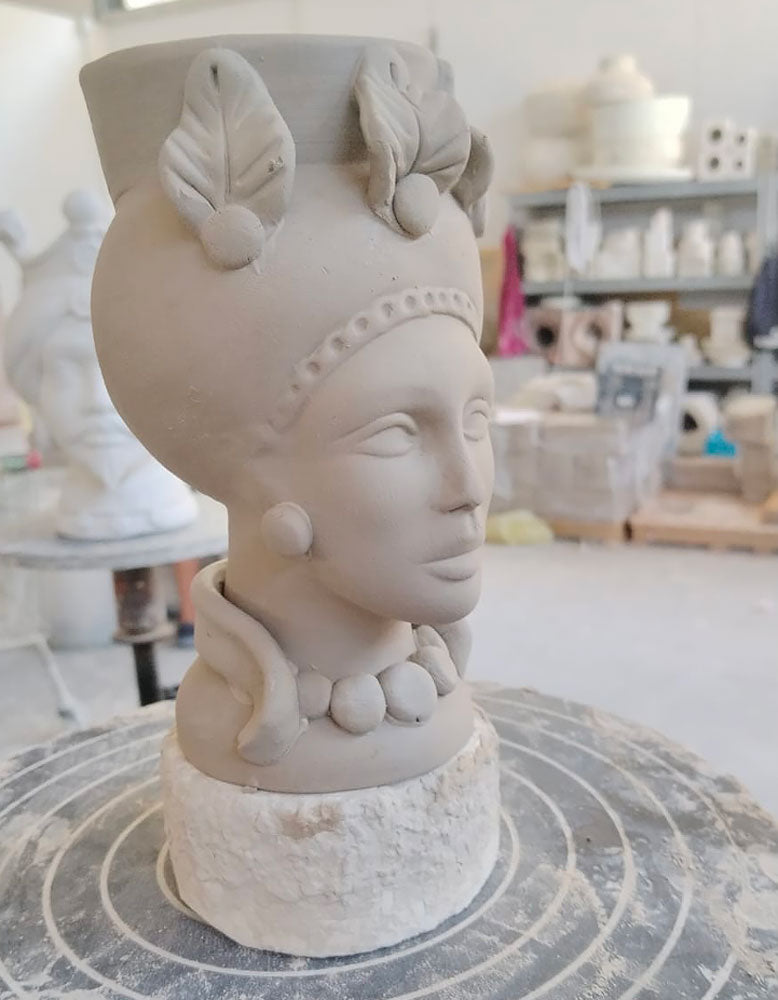
- 2. Manual Detail Application: In the second phase, the sculpture comes to life. All the applications that characterize the design are added: earrings, necklaces, crown decorations, turbans, and floral motifs, each individually modeled by hand.
- 3. Drying and First Firing: Once modeling is complete, the clay is left to air dry slowly to remove moisture. This is followed by the first firing in a high-temperature kiln, which transforms the clay into terracotta (the so-called "bisque").
- 4. Artistic Decoration: The next stage is the visual heart of the work. Decoration is done entirely freehand thanks to the talent and experience of our master ceramic decorators.
- 5. Second Firing and Vitrification: The decorated object undergoes a second firing. This step is essential for the fusion of the glaze and vitrification, which gives the ceramic its typical brilliance, impermeability, and final glossy appearance.
- 6. The Touch of Excellence (Third Firing): For the most exclusive creations, any precious details such as finishes in pure gold, platinum, or mother-of-pearl are applied subsequently and fixed through a third and final firing.